Now accepting new clients in DE, GA, MA, NJ, PA, TX, VA. No waitlist.
Online Bipolar Disorder Test
Learn whether you may be living with Bipolar with this expert-reviewed test. After receiving your results, you’ll have the opportunity to learn more about your symptoms and talk to a licensed therapist.
Begin Test
Disclaimer
This mental health assessment is not a diagnosis or a substitute for licensed therapy. You can schedule with a qualified mental health professional here.
Who is this test for?
An estimated 2.8% of adults struggle with Bipolar Disorder. It is a lifelong condition that must be carefully managed through medication and therapy. Through treatment, people with Bipolar Disorder can lead full, satisfying, and happy lives. The first step is getting diagnosed. This free, online Bipolar screening tool is not a substitute for an official diagnosis from a mental health professional. Instead, it will assess the likelihood that you have Bipolar. The questions are pulled from DSM-5 criteria and are a good tool to understand your behaviors, emotions, and reactions. Remember, Bipolar Disorder is a complex disorder that cannot be summed up by these 10 questions.
Begin Test
What Is Bipolar Disorder?
Bipolar Disorder is a mood disorder characterized by extremely “high highs” (known as manic episodes) and “low lows” (known as depressive episodes). Manic episodes last anywhere from 7 days to many months. They involve unusually high mood, energy, and irritability. They can also involve delusions or hallucinations. Depressive episodes are often long and deep. Medication for Bipolar disorder helps smooth out the intense mood shifts and provides stability.
Find a Therapist
In order to receive a diagnosis of Bipolar Disorder, you must have had at least one manic disorder. During a manic episode, you might have racing thoughts, a sense of grandiosity about yourself (thinking, “I’m the best”, or “I can do anything”), engage in risky, impulsive behaviors, be overly talkative, have little need for sleep, and may have hallucinations or delusions. The second part of Bipolar Disorder is depression. Often following the manic highs of a manic episode, a depressive episode will look a lot like Major Depressive Disorder.
Researchers believe Bipolar Disorder is caused by a mix of genetics and environmental factors. Bipolar has a strong genetic component, and you’re more likely to have Bipolar if you have family members with it. Environmental factors like stress, life transitions, and traumas are known to trigger Bipolar Disorder, which usually doesn't appear until early adulthood.
Bipolar Disorder is a chronic and lifelong disorder, with most people experiencing symptoms for their whole life. However, treatment is very effective at preventing manic disorders and lessens the effects of depressive disorders. Most people with Bipolar will need treatment for the rest of their lives in the form of medication and talk therapy. Remember, the lack of a manic episode does not mean that your Bipolar is cured, but that the treatment is working.
This assessment is not a substitute for a licensed mental health professional testing you for Bipolar. You may have symptoms of Bipolar that are not measured by this short test. Therefore, it is wise to always seek an outside, professionally licensed opinion in addition to this test.
You Are Not Alone
Bipolar can be a very isolating experience. It can feel like no one else understands what you’re going through. You are not alone. A therapist trained in Bipolar can help you meet your goals. Support groups for people living with Bipolar Disorder are also available.
Find a Therapist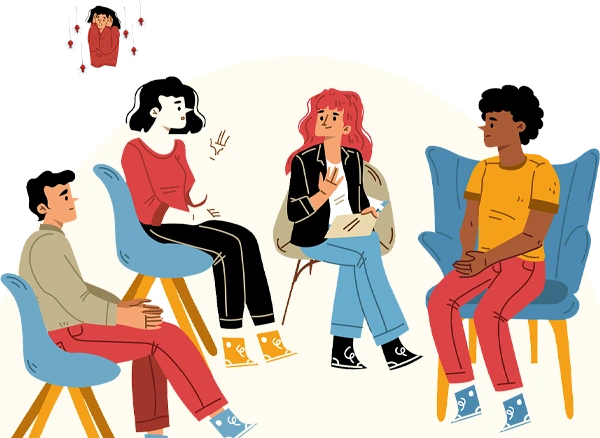

FAQs
Living with Bipolar Disorder is like living on the end of a yo-yo; sometimes you experience extreme highs, and sometimes you experience extreme lows. Sometimes you might find yourself in a stable in between (this is the goal of therapy and medication). These periods can be unpredictable (although tracking triggers helps manage them), and many people with Bipolar Disorder live with apprehension of a shift occurring. These shifts are incredibly disruptive to yourself, your dreams, and your life. This can make it difficult to feel like you can build something with your life. With treatment, however, people with Bipolar Disorder can absolutely thrive.
Symptoms vary for each person, but five common signs include:
1. Periods of unusually high energy, euphoria, or irritability
2. Racing thoughts or talking more quickly than usual
3. Decreased need for sleep during high-energy periods
4. Periods of intense sadness, hopelessness, or low energy
5. Changes in behavior or judgment, such as impulsive spending, risky behavior, or withdrawing from activities
If someone notices these patterns in themselves or someone else, it’s important to talk with a licensed mental-health professional for an assessment.
Yes! Many people with Bipolar Disorder lead meaningful, stable, and productive lives. With proper treatment, often a combination of medication, therapy, and lifestyle changes, people can manage symptoms effectively. Supportive relationships, healthy routines, and recognizing mood changes early can also help significantly.
Absolutely. Stability is possible and common with the right support and treatment plan. Many people enjoy long periods of mood stability when their treatment is consistent and tailored to their needs. Stability doesn’t mean symptoms never arise; it means they are manageable, predictable, and less disruptive. (Remember, if you’re on treatment for Bipolar and you haven’t had a manic episode for a while, it means that the treatment is working! It does not mean that you don’t have Bipolar Disorder anymore.)