
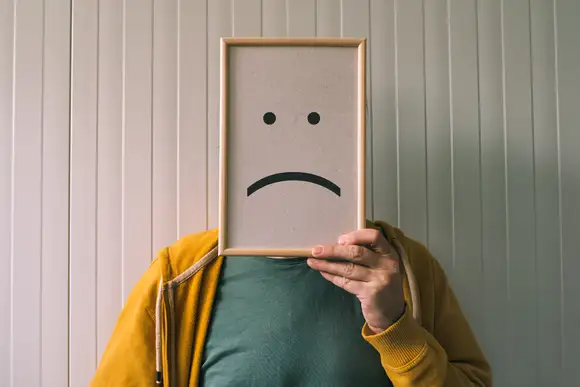
How are you taking care of yourself this fall? As the days get shorter and the weather chillier, it's the perfect time to focus on your mental well-being. Whether you’re taking a last-minute vacation, preparing for back-to-school season, or simply enjoying the longer days, this season is a great opportunity to prioritize self-care and mental health.
Building healthy self-care habits in the summer and fall will help us sustain through the darker months of winter, when many people struggle with Seasonal Affective Disorder.
Why Do I Feel So Depressed In the Winter?
During the Summer, we often hear about the risks of getting too much sun. While it’s true that sunburns and skin cancer are very real threats and that SPF is essential, there are also positive and vital benefits of sun exposure.
The sun is much more than its potential pitfalls and can do plenty of great things for your body. From bone and immune health to protecting you from depression and Seasonal Affective Disorder (SAD), sunlight offers powerful, restorative, protective, and healing effects.
When you give your skin access to a healthy dose of the sun’s rays, you are likely to experience some tangible benefits immediately.
The flipside is also true: a lack of sunlight can cause fatigue, brain fog, sadness, low self-esteem, anxiety, and other physical health issues. This is why many people feel depressed during the winter, even when they feel fine during the sunnier months.
You might be struggling with winter depression if you experience these symptoms during the winter, but not during the spring or summer:
- Low mood or persistent sadness during the winter months
- Loss of interest or pleasure in activities once enjoyed
- Fatigue or low energy, even after adequate rest
- Sleeping more than usual
- Increased appetite, especially cravings for carbs or sweets
- Weight gain linked to changes in eating patterns
- Difficulty concentrating or making decisions
- Feeling hopeless, guilty, or worthless
- Irritability or mood swings
- Social withdrawal or wanting to “hibernate”
- Physical sluggishness or heaviness in the body
You might notice your mental health slowly declining as the days get shorter and the sun shines less. If you do, you’re not alone. Around 5% of U.S. adults experience clinical winter depression. If you live in a state with long, cloudy winters, you’re more likely to experience these winter blues. (But sunny states aren’t exempt, either. In Florida, 1.4% of people experience winter depression.)
Fortunately, winter depression is highly treatable. Try these coping mechanisms or talk with a depression therapist if issues persist.
How to Beat Winter Depression
A key to beating winter depression is to get out into the sun when it’s out, and to start the habit now! The sun has a myriad of healthy impacts on your physical and mental health, including:
1. Improve Mood
It turns out “sunny disposition” is more than just an expression: Researchers at BYU found more mental health distress in people during seasons with little sun exposure. On the contrary, days with plenty of sunshine were associated with better mental health - in fact, the availability of sunshine has more impact on mood than rainfall, temperature, or any other environmental factor.
Getting some sun increases your serotonin and helps you stave off Seasonal Affective Disorder (SAD), and sun exposure can also help people with anxiety and depression, especially in combination with other treatments.
2. Better Sleep Quality
The serotonin you soak up from the sun’s rays does more than boost your mood - it might also help you get more restful sleep at night. Working in tandem with serotonin is melatonin, a chemical in your brain that lulls you into slumber and one that the sun also helps your body produce. Suffering from insomnia? Try to stick to traditional light and dark cycles, getting sunlight during the day so you can catch some zzz’s at night.
3. Increased Vitamin D
Lastly, Vitamin D. Vitamin D has some important and crucial functions in the body. It reduces inflammation and modulates healthy cell growth. The sun is the best natural source of Vitamin D, and it only takes 5-15 minutes of sunlight a few times a week to notice a difference. Get outside and expose yourself to direct sun on your arms and face to soak up this necessary vitamin. Just remember to use sunscreen if you’ll be outside for more than 15 minutes.
What Helps with Seasonal Affective Disorder?
Building healthy sun habits will help you maintain through the winter. Here are some quick things you can do today to set yourself up well:
- Get outside when it’s sunny.
- Open the curtains every day, even when it’s cloudy.
- Exercise outside.
- Rise (and sleep) with the sun. Try to avoid regular extra late nights. Instead, listen to your circadian rhythm and sleep when it's dark outside.
- Stimulate sunlight with a Light Therapy Lamp; a lamp that mimics sunlight and can help stave off winter depression.
If issues persist, talking to a therapist can help. Depression therapists understand the ins and outs of winter depression and can help you learn healthy coping mechanisms, get to the root of the issues, and support you through the cold Winter months.
This Fall, prioritize your mental health by building healthy habits in the sun. Your body and brain will thank you.
Need to talk to someone? Lifebulb has depression therapists with open availability. We accept major insurances and have little to no wait times. Contact our team today, or browse our list of therapists to find a depression therapist near you.
-(1).webp)

.webp)
-(1).webp)