I’m Burned Out, But I Can’t Stop Working
The Sunday Scaries are hitting you hard. You dread going to work every morning, and maybe it’s not even because you dislike your job. You’re just. . . exhausted. Getting more sleep isn’t helping, and neither is getting some sun along the Waterfront Park or taking a rest day.
It sounds like you might be experiencing work burnout. Although relatively common, work burnout can be hard to recover from. The key to recovery from burnout is rest, but most people can’t quit their job to get the rest they need.
How can you recover from burnout while still working? Our Alexandria Depression Therapists can be a big help. We’ll go over a few other strategies in this article.
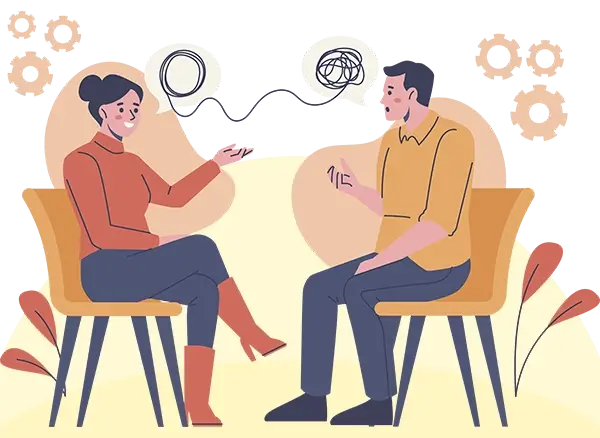

Signs of Burnout at Work
Burnout is a little different from depression, but it can quickly turn into depression if not treated. Stay alert for these signs of workplace burnout:
- Feeling constantly exhausted, even after rest
- Loss of motivation or enthusiasm for your job
- Increased irritability, frustration, or mood swings
- Difficulty concentrating
- Feeling detached and cynical
- Frequent headaches, muscle tension, or other physical symptoms
- Dreading work
- No sense of purpose
Depression Therapists in Alexandria
If you’re struggling with work burnout but can’t quit your job to get the rest you need, consider talking to a depression therapist in Alexandria. They can help you find ways to recover from burnout while working.


Gina Ruisi
Resident in Counseling
Gina is a Resident in Counseling and a National Certified Counselor (NCC) who earned her Master of Education in Counseling from William & Mary. With more than a decade of experience as a middle school...

Bozena Harper
PMHNP-BC
Bozena Harper is a Psychiatric Mental Health Nurse Practitioner (PMHNP) who provides psychiatric evaluations and medication management for teens and adults in Virginia. She works with clients experien...

Ashley Patrican
LPC
My name is Ashley Patrican. I am an LPC working out of Alexandria, VA. My ambition is reflected in my career as a Licensed Professional Counselor. My background shows my eagerness to seek experience a...

Dr. Amy Fehrmann
MD
I am a double board certified Adult and Child and Adolescent Psychiatrist practicing out of Alexandria, VA. I completed medical school at Georgetown University School of Medicine and my Adult Psychia...

MacKenzie Dressing
LMFT
Hi there! My name is MacKenzie Dressing. I am a Licensed Marriage and Family Therapist (LMFT), but you can just refer to me as MacKenzie, Kenzie, or as my family likes to call me, Mac. I have been in ...

Jessica Bryan
LCSW
Hi! My name is Jessica Bryan and I have over 13 years of experience in mental health through community-based services and private practice. I have been a therapist for 3 years. I am here to help you i...
How Burnout Leads to Depression
Depression is different from burnout, but burnout can quickly lead to depression if you’re not careful. Why? The Burnout -> Depression timeline often follows these steps:
Find an Alexandria Therapist for Depression
If you’re burnt out, you’re probably dealing with chronic stress from work. A third of your time is spent at work, and that’s only if you have good work-life boundaries. You probably spend that third of your time exhausted, stressed out, and looking for an escape. Over time, this depletes your mental and physical energy, letting depression take root.
A strong support system is a protective factor against depression. This means that people who actively engage in their community and have friends or family close by who support them are less likely to develop depression. When you’re burnt out, you don’t have the energy to be social. The result is self-isolation, which is a strong indicator of potential depression.
Possibly the most defeating part of feeling chronically burnt out is the hopelessness. You feel trapped in your work situation—not enough money to quit, not enough time or energy to find a new job. You end up trudging by each day, feeling hopeless that it’ll ever get better. Hopelessness is also a symptom of depression, and the thought processes associated with it can quickly strengthen other depression symptoms.
The biggest sign of burnout is severe fatigue. No matter what you do, you’re exhausted. This means you have less and less energy to engage in healthy coping mechanisms like hobbies, exercise, talking to friends, preparing healthy meals, and going after personal goals outside of work. Your world shrinks until it’s one foot in front of the other, just trying to make it through the day. Depression can easily sprout up here.
The final stage of chronic burnout, especially burnout that arrives as a result of an inescapable situation like employment, is learned helplessness. Learned helplessness is a term therapists use to describe the state of feeling unable to change one's situation, no matter how dire. People with learned helplessness will stop trying to better their situation because they’ve been taught through years of hardships that it will never truly get better. Learned helplessness can come around after chronic burnout and can quickly lead to depression.


Sustained Work-Life Balance
 703-955-3703
How It Works
We've created a safe space for you to explore your mental health and find what works for you.

Find A Counselor
Check Your Insurance

Book Your Online/In-person Therapy Session
Insurances We Accept










Frequently Asked Questions
Scheduling is easy! Simply choose a therapist from our extensive therapist directory. Fill out the quick form, and we’ll get in touch to confirm your appointment.
If you don’t feel like choosing a therapist, give us a call, and we’ll match you with an Alexandria therapist that fits your needs.
Lifebulb Counseling & Therapy adheres to all HIPAA policies. This means your personal information will be protected throughout every step of the process: from requesting a session, to your first appointment, all the way to when you decide to stop therapy.
Lifebulb was built on the core belief that good therapists provide good therapy, and that in order for a therapist to be good, they need to feel supported. We prioritize our therapists’ wellness so that they can give you their full attention. No burnout, no counting the minutes till the end of the session, no racing to meet quotas, no wasting time wrestling with insurance panels.
The result? More time, more energy, and more joy they get to put towards what they do best: helping you!
Online anxiety therapy sessions use HIPAA-compliant video software that is 100% secure. We never record sessions and will never ask you to jump on a video call that is not HIPAA compliant. Our therapists also always take video sessions from a private and secure place. There’s no risk of anyone overhearing you.
Yes! Lifebulb prides itself on being HIPAA compliant and making client privacy a top priority. Have questions or concerns about our privacy policy? You can email us at privacy@lifebulb.com