Relationships are a fundamental part of human life. They can provide connection, support, and a sense of belonging. When someone has experienced trauma, building and maintaining healthy relationships can become more challenging.
Trauma can shape so much, including how individuals view themselves, others, and the world around them. As such, we cannot ignore how trauma influences communication patterns, trust, emotional regulation, and attachment.
Understanding how trauma affects relationships can foster greater empathy and help individuals, couples, families, and professionals create healthier, more supportive connections.
What Actually Is Trauma?
Trauma is an emotional response to a distressing or overwhelming event. Trauma can result from a single incident, such as a car accident or natural disaster. It can also result from ongoing experiences such as abuse, neglect, domestic violence, discrimination, or chronic stress. People often associate trauma with major life-threatening events. However, any experience that overwhelms a person's ability to cope can have lasting emotional effects.
How Trauma Impacts Trust
Trust is an important component of healthy relationships. Trauma, particularly interpersonal trauma, can make it difficult for individuals to trust others.
Someone who has been hurt by people they have put their trust in may become cautious, guarded, or suspicious in future relationships. Individuals may struggle to believe that others have good intentions or fear that they will eventually be abandoned or harmed again.
As a result, trauma survivors may:
Have difficulty opening up emotionally.
Expect rejection or betrayal.
Frequently seek reassurance.
Avoid close relationships altogether.
These behaviors may seem challenging. Often, they develop as protective responses designed to prevent further emotional pain.
Communication Challenges
Trauma can affect a person's ability to communicate effectively. Some individuals may become withdrawn and avoid discussing their feelings, while others may react intensely to conflict or perceived criticism.
Because trauma can heighten sensitivity to emotional threats, everyday disagreements may feel overwhelming. A partner's frustration, a friend's disappointment, or a coworker's feedback might trigger feelings associated with past traumatic experiences.
Common communication difficulties include:
Avoiding difficult conversations.
Struggling to express emotions clearly.
Becoming defensive during conflict.
Misinterpreting neutral situations as threatening.
Shutting down emotionally when stressed.
These patterns are often rooted in survival mechanisms that developed during or after traumatic experiences.
Attachment and Emotional Connection
Trauma can significantly influence attachment styles, which affect how people connect with others. Individuals who experienced inconsistent caregiving, neglect, or abuse during childhood may develop difficulties forming secure emotional bonds.
Some people may become highly dependent on relationships and fear abandonment. Others may avoid emotional closeness altogether, preferring independence over vulnerability.
These attachment patterns can create cycles where individuals desire connection but simultaneously fear it. This push-and-pull dynamic can be confusing and painful for both the trauma survivor and those close to them.
Emotional Regulation and Relationship Stress
Trauma can make it harder to regulate emotions. The brain's threat detection systems may remain highly active, causing individuals to react more strongly to stressors than others might expect.
When triggered, a person may experience:
Anxiety or panic.
Irritability or anger.
Emotional numbness.
Feelings of shame or guilt.
Difficulty calming down after conflict.
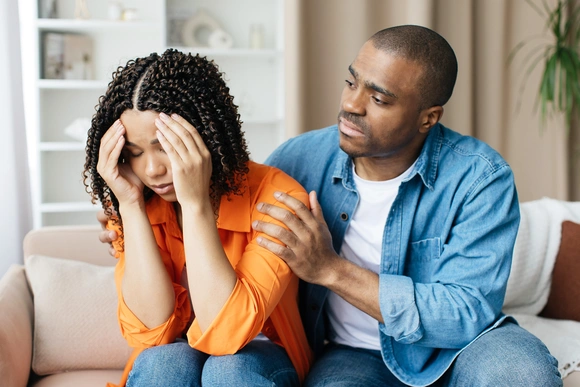
These emotional responses can create strain within relationships if they are misunderstood. Partners, friends, and family members may interpret reactions as overreactions or personal attacks when they are actually connected to unresolved trauma.
Recognizing these patterns can help create opportunities for compassion and understanding.
Pathways to Healing
Although trauma can have a profound impact on relationships, healing is possible. Many individuals learn to build healthy, meaningful connections through self-awareness, support, and therapeutic interventions.
Some helpful strategies include:
Seeking Professional Support
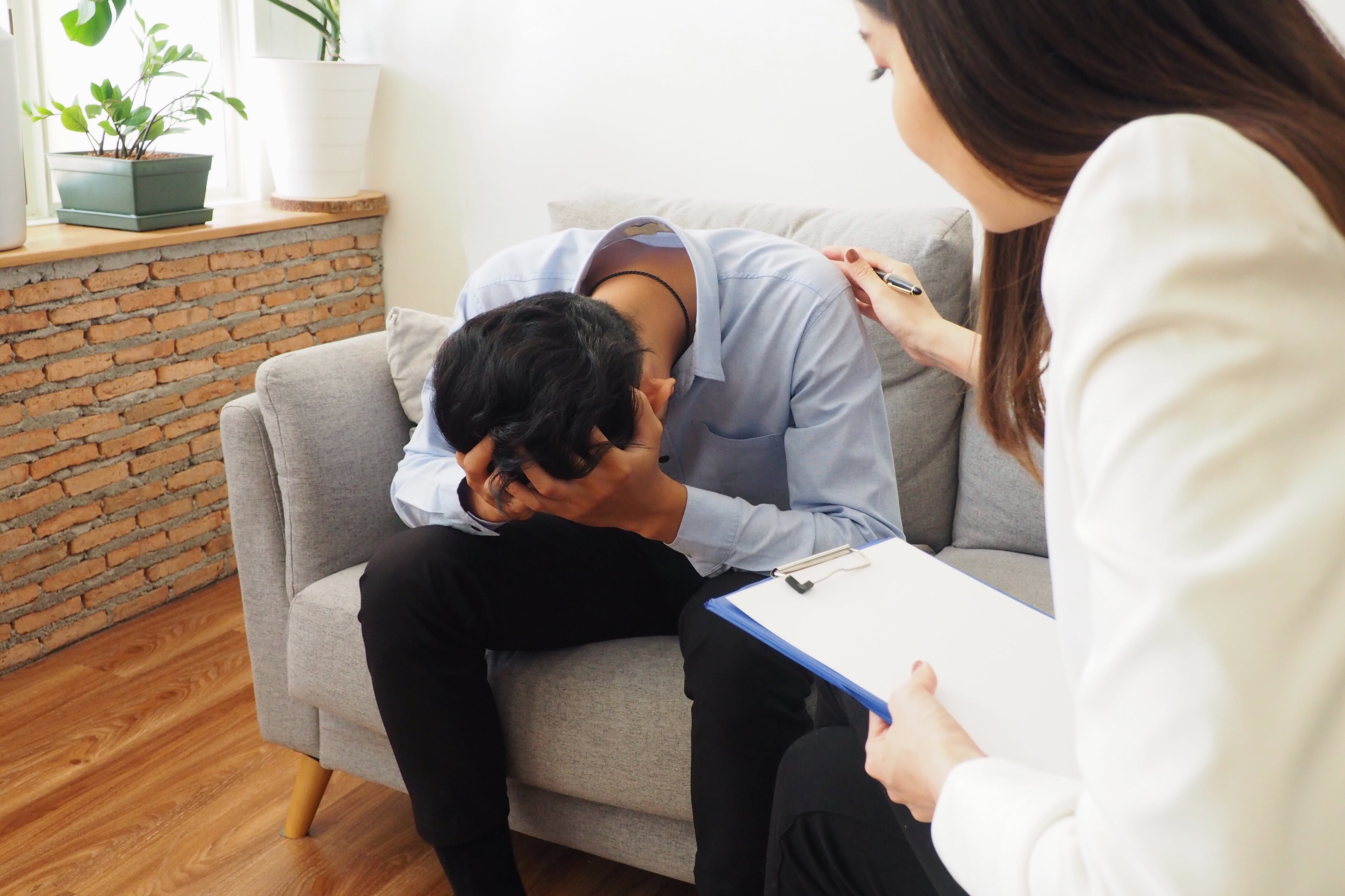
Trauma-informed therapy can help individuals process past experiences, identify triggers, and develop healthier coping skills. Therapy can also support couples and families in understanding trauma's impact on their relationships.
Building Self-Awareness
Recognizing emotional triggers and relationship patterns is an important step toward change. Increased awareness helps individuals respond intentionally rather than react automatically.
Practicing Healthy Communication
Learning to express needs, set boundaries, and discuss difficult emotions can strengthen relationships and reduce misunderstandings.
Developing Safe Connections
Supportive relationships provide opportunities to rebuild trust and experience healthy emotional closeness. Consistent, respectful interactions can gradually challenge beliefs formed through traumatic experiences.
Practicing Patience
Healing from trauma is rarely a linear process. Setbacks may occur, but progress is possible with time, support, and compassion.
Final Thoughts
Trauma can influence nearly every aspect of a relationship, including trust, communication, emotional regulation, attachment, and intimacy. While these challenges can create significant obstacles, they do not define a person's ability to build healthy and fulfilling connections.
By increasing awareness of trauma's effects and approaching relationships with empathy and understanding, individuals can create environments that support healing and growth. With the right resources and support, meaningful relationships can become powerful sources of resilience, safety, and recovery.
-(1).webp)
.webp)