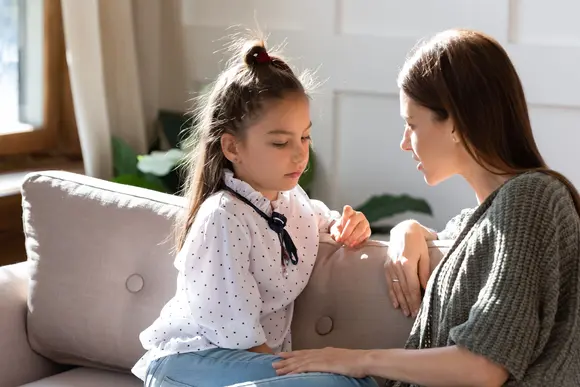
Children are naturally curious and worry-free. However, that doesn’t stop many children from suffering from anxiety. Although some amount of worry and fear is normal in childhood—There are a lot of new experiences that can be distressing to young children who have never experienced it!—Children can also have intense anxiety and even panic attacks.
Around 1 in 10 (10%) of children aged 3-17 have a diagnosed anxiety disorder. Anxiety is more common in girls than it is in boys. When anxiety is severe enough, it can manifest as a panic attack. Panic attacks and anxiety attacks look a little different in children than they do in adults. It can be tempting to overlook anxiety attacks in children as behavioral outbursts, but these are not a conscious choice. Panic attacks come on suddenly and without warning. They last an average of 10-15 minutes, sometimes longer, and it can be nearly impossible to stop a panic attack in its tracks once it starts.
Panic attacks in children should be taken seriously. If you have a child who has experienced the below symptoms or who says they have been very stressed, anxious, or panicked lately, take them seriously and get them connected with a child therapist who can help.
What does a panic attack look like in a child?
A panic attack in a child will have the same base symptoms as those of an adult, which will include:
- Intense fear or feeling of impending doom
- Rapid heartbeat or chest pain
- Shortness of breath or hyperventilation
- Sweating or chills
- Trembling or shaking
- Dizziness or lightheadedness
- Nausea or stomach discomfort
- Hot flashes or sudden coldness
- Tingling sensations or numbness
- Feeling detached from reality
Depending on their age, a child might not be able to put into words what they are experiencing. They might say they feel sick, scared, or just not good. Some children may not be able to speak when they experience a panic attack, either due to crying, fast breathing, tight chest, or general fear. It’s important for adults to know the signs of a panic attack so they can step in and help a child when one occurs without having to be told what's happening.
Other behaviors specific to children that might occur during a panic attack include:
- Running out of the room or away from caregivers
- Hitting, kicking, or throwing things
- Running to a caregiver for physical comfort
- Saying they “feel like they’re going to die”
- Vomiting or feeling very sick
- Needing to go to the bathroom more often and for longer periods of time
These are only some behaviors unique to children. The younger a child is during a panic attack, the less control they may have over their behavior. A panic attack can feel like you’re dying, and a young child may act out in panic.
In teenagers, this behavior may be more controlled but still prevalent. Asking to go for long walks, leaving without permission, and short outbursts of aggression could be signs of a panic attack when paired with other symptoms.
How do you treat panic attacks in children?
Fortunately, panic attacks are one of the most treatable types of mental illness, even in children. Here are some steps to take to treat panic attacks in children:
- Talk to them about panic attacks: A child is unlikely to have the words to describe what they are experiencing. Explain to them that a panic attack is a lot of anxiety (or fear) all at once and that while it is very scary, it can’t actually hurt them. This might be a good time to talk about anxiety and stress as well.
- Try Cognitive Behavioral Therapy: CBT is a form of therapy that is effective at treating panic disorders and panic attacks. In children, CBT will look like identifying what your child is afraid of and what is causing the panic attacks, naming the thoughts and feelings that surround that fear, and working on exercises to curb panic.
- Try Exposure Therapy: If the panic is centered around a specific life, like a phobia of dogs or crossing the road, then exposure therapy can be used to help a child overcome their fear.
- Talk to a therapist: Long-term, a child therapist can ensure that your child’s anxiety does not manifest into an anxiety disorder as an adult. They can teach your child healthy coping mechanisms and give them the confidence and self-esteem to overcome anxiety.
These are four things you can try to combat childhood anxiety and prevent anxiety from continuing into adulthood. But what can you do in the short-term? Let’s look at some coping skills for dealing with childhood anxiety now.
How to calm children’s anxiety?
.jpg)
Signs of anxiety in children include:
- Excessive worry or fear about various aspects of their life
- Restlessness or being easily fatigued
- Difficulty concentrating or staying focused
- Irritability or mood swings
- Muscle tension or complaints of physical discomfort
- Trouble falling asleep or staying asleep
- Avoidance of certain situations or activities
- Perfectionism or need for constant reassurance
- Tearfulness or emotional outbursts
- Changes in eating habits or sudden weight loss/gain
If you recognize these signs in your child, what can you do to help them? Here are some coping strategies that can help them:
- Express understanding: Jumping right into rationalizing their fear might not be helpful. When a child is afraid, they are in a fight-or-flight mode and will have trouble reasoning their way out of a situation like an adult would. Instead, say things like “That sounds really scary.” or “You’re being so brave.” You can talk to them about logic and the reality of the situation after they’ve calmed down.
- Help them calm their body: A calm body means a calm mind. Lead them in some deep breathing exercises. For example, “Will you take a deeeeep breath with me right now?” Or, you can ask them to point out all the times they see the color red in the space around them. Continue this through all the colors of the rainbow. This is a mindfulness technique called color scanning and is helpful when dealing with acute anxiety.
- Provide a safe environment: If they need to leave the room, help them do so in a way that is safe. Give them a comfort blanket or toy. Putting on a well-loved TV show can also be helpful to calm them down. Remember, once they’re calm you can work on understanding their fear, teaching them coping mechanisms, and helping them through the rationalization of their fear.
- Teach them coping skills: Ultimately, our job as adults is to give the child the skills they need to overcome their anxiety on their own. This means teaching them how to calm their body on their own, how to ask for help, and how to recognize the signs of anxiety before it gets to an anxiety attack.
- Reaffirm your support: Saying things like “I’m here if you need me.” Or “Can I stay with you for a little?” will help your child feel supported and protected, a crucial step in their development and attachment style.
If anxiety in your child persists or gets worse, considering taking them to a child therapist. These therapists have special training in treating mental health concerns in children and can provide the environment, support, and tools needed to ensure your child can thrive.
Interested in seeing a child therapist today? Contact Lifebulb’s support team or browse our therapist directory.
.webp)
.webp)
.webp)
.webp)