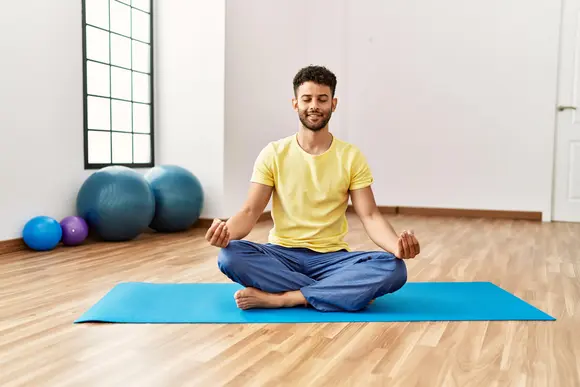
Progressive Muscle Relaxation is a coping skill used to treat many mental and physical health issues. It is adaptable to many different situations, from a meeting to sitting in the car or lying in bed. It is also easy to learn and safe to do on your own, making it a popular coping mechanism for people with anxiety, insomnia, chronic headaches, and other health concerns.
This article will dive into what Progressive Muscle Relaxation (PMR) is, why it works, and how to do it yourself.
What Is Progressive Muscle Relaxation?
Progressive Muscle Relaxation was developed in the early 1920s by Dr. Edmund Jacobson and has since become one of the most used and helpful coping skills for issues such as:
- Anxiety
- Bipolar Disorder
- Trauma
- Tension headaches
- Migraines
- Temporomandibular joint disorder (TMJ)
- Muscle pain
- Insomnia
- High blood pressure
- And more!
This is not a complete list. Progressive Muscle Relaxation is recommended by therapists who specialize in mindfulness and somatic-based therapy, making it a popular coping mechanism for many, if not most, mental health issues. The physical health benefits make it an added resource for those suffering from chronic pain and other physical health issues as well, too.
How to Do Progressive Muscle Relaxation
Simply put, there are two steps to progressive muscle relaxation:
- Tense muscles of a certain group. Notice how a tensed muscle feels.
- Fully relax the muscles. Notice how a relaxed muscle feels.
The goal of PMR is to build awareness of how tensed vs relaxed muscles feel, so you can begin to relax your muscles more often. Many people don’t realize just how often they are sitting tensed, with muscles cramping and causing back pain, headaches, and more anxiety.
Tensed muscles signal to the sympathetic nervous system that you are in danger. The nervous system then triggers an anxiety response. By relaxing our muscles, we’re signaling to our body, “I’m okay. I am not in danger, and it is okay to relax.”
Let’s dive into how to use Progressive Muscle Relaxation.
Progressive Muscle Relaxation Scripts
You can use a Progressive Muscle Relaxation “Script” to guide yourself, a child, or a client through the Progressive Muscle Relaxation exercise. If you are guiding someone else, simply read the script, keeping your voice slow and on the quieter side, to create a soothing atmosphere.
If you are trying Progressive Muscle Relaxation yourself, simply read the script and follow the instructions. It can help to play soft music, like LoFi or deep brain music. Keep it relaxing, and focus on the physical feelings in your body.
Progressive Muscle Relaxation for Kids
It sounds like you’re feeling really [anxious, energetic, scared—whatever emotion they are feeling]. Sometimes, when I feel like that, I need a little help getting my body back to calm. Can I show you the game I play to help me? It’s really easy. All you have to do is listen, squeeze your muscles really tight when I tell you, and let them relax when I tell you.
Are you ready?
First, let’s get somewhere comfortable. Where do you feel the most safe? Great. Let’s lay or sit down. I want to start by taking a biiiiig breath. As big of a breath as you can take. Now blow it out through your mouth, like you’re blowing bubbles.
Great! Let’s try to blow an even bigger bubble this time. Breathe iiiiiin through out nose. . . and out through mouth.
Awesome, I think you’re ready to start playing.
Step 1: Face
Pretend you just ate a super sour lemon. Squeeze up your face really tight like it’s so sour! Hold it… 3… 2… 1… And relax. Ahhh. Let your face go soft like you’re asleep.
Step 2: Shoulders
Next, let’s pretend like we’re turtles hiding inside our shells. Pull your shoulders up to your ears. As high as you can go—you don’t want to come out of your shell!
Hold it… 3… 2… 1… And relax. Let your shoulders drop down, just like the turtle coming back out of its shell. How does that feel?
Step 3: Arms and Hands
Next, clench your fists like you’re really angry. You’re so angry for … 3… 2… 1…
And relax. Unclench your hands. Take a deep breath and let it out again. Shake your hands gently and let them feel loose and floppy.
Step 4: Stomach
Next, we’re going to pretend like we’re balloons. Balloons need air to keep floating, right? So we’re going to take a deep breath and hold as much air as you can. Tighten your tummy so no air gets out. Hold it for 3… 2… 1…
And relax. Let your belly feel soft and breathe normal again.
Step 5: Legs
Almost there. Pretend your legs are two stiff robots. Make them straight and tight. Hold it… 3… 2… 1…
And relax. Now let your legs feel heavy and loose.
Step 6: Feet
Last step! Pretend your toes are digging deep into the sand at the beach. Curl your toes really tight. Hold it… 3… 2… 1…
And relax. Let your toes spread out.
Final Relaxation
Now take a slow breath in… and let it out. Imagine your whole body is limp and relaxed. You can stay here, breathing slowly, letting your body rest and feel safe.
Good job! You did a great job helping your body feel calm.
Progressive Muscle Relaxation For Anxiety
If you can, find a quiet, comfortable place to sit or lie down. Allow your hands to rest loosely, and if it feels comfortable, gently close your eyes. Take a slow, deep breath in through your nose… and exhale softly through your mouth. Let each breath bring you into this moment, right here, right now.
If you can’t remove yourself from a stressful situation, get as comfortable as you can. Plant your feet firmly on the ground. Place your hands on your legs or under a table. Take slow, deep breaths in through your nose and exhale softly through your mouth. Focus on the rise and fall of your chest, and let the outside world fade away a little.
Remember to keep breathing throughout this exercise. Slow, deep breaths. With every inhale, imagine you’re breathing in strength and peace, and with each exhale you’re breathing out stress and anxiety.
Step 1: Face and Jaw
Now bring your attention to your face. Notice if you’re holding tightness in your jaw or forehead.
Gently scrunch your forehead, squeeze your eyes shut, and clench your jaw. Hold for a count of 3… 2… 1…
Now release. Feel your face soften. Let your jaw hang loose, lips gently parted. Allow ease to settle in.
Step 2: Shoulders and Neck
Next, lift your shoulders toward your ears, holding them up with all the tension you feel.
Hold… 3… 2… 1…
Exhale and drop your shoulders down. Imagine that weight sliding off your body, leaving you lighter and freer. If you still feel tension in your shoulders, do the movement again, but extend your exhale as you let the tension leave your body. Drop your shoulders away from your ears as you breathe.
Step 3: Arms and Hands
This is a good one to do if you can’t do any of the other steps. Tighten your fists and arms, squeezing out any restlessness or worry. Hold… 3… 2… 1… Release. On the exhale, unclench your fists and keep your fingers loose.
Step 4: Chest and Stomach
Take a deep breath in, filling your lungs and tensing your chest and stomach.
Hold… 3… 2… 1…
Now exhale slowly, letting all that tightness dissolve. Let your belly rise and fall naturally, smooth and calm. If you weren’t before, focus on taking even, calm breaths.
Step 5: Back
Arch your back gently, creating tension. Hold for 3… 2… 1…
Release. Let your spine sink into the chair or bed, fully supported. Imagine your back letting go of the burdens it carries and finding comfort wherever you are.
Step 6: Legs
Tighten your thighs, calves, and feet. Don’t push past the point of discomfort into pain.
Hold for 3… 2… 1…
Release. Feel the weight of your legs pressing down, steady and grounded. Allow yourself to feel confident in the strength your body has to get you through this moment.
Final Relaxation
Now bring your awareness to your entire body. Notice the calm heaviness spreading from head to toe. How does this feeling compare to the tension you noticed before the exercise? As you grow about your day, come back to this feeling of relaxation. Consciously unclench your muscles.
Breathe deeply, slowly, evenly. With each exhale, imagine letting go of worry. With each inhale, imagine drawing in peace and steadiness.
Remind yourself: I am safe. I am here. My body is calm. My mind can rest.
Stay here as long as you like, breathing gently, feeling the calmness grow within you.
Progressive Muscle Relaxation for Sleep
Begin by lying down in a comfortable position. Rest your arms by your sides, and close your eyes. Take a few slow, deep breaths. Inhale deeply through your nose… and exhale gently through your mouth. Do it one more time, focusing on how the air feels entering and leaving your body. With each breath, allow yourself to sink a little deeper into the bed.
Do a quick body scan by bringing your awareness to the top of your head. What does your head and face feel like? Do you feel any discomfort, tightness, or pain? What about relaxation, peace, or comfort? Keep breathing in through your nose and out through your mouth.
Move your awareness down to your shoulders and back, then your arms and hands. Move down to your chest and stomach, before finally making your way through the legs. Take as much time as you need here.
When you’re ready, bring your attention back to your face. We’ll start the Progressive Muscle Relaxation here and work our way down.
Step 1: Face and Head
Gently scrunch up your forehead, close your eyes tightly, and clench your jaw. You can also scrunch your nose. Hold that tension for… 3… 2… 1…
Now release all of your muscles. Let your forehead smooth, your jaw loosen, your eyes rest softly. Feel the tension melt away. Keep loosening past where the muscles were before, into complete relaxation.
Step 2: Shoulders and Neck
Now move your awareness down to your shoulders and neck. Lift your shoulders up toward your ears and tighten the muscles in your neck.
Be careful not to over do it, and be aware of any injuries or pain. Do not push past the point of pain.
Hold that tightness… 3… 2… 1… and release.
Let your shoulders release back against the bed. Any tension you hold in your neck melts away. Your head and neck should feel fully supported by your pillow now. That part of your body may even feel heavy. Let it rest here.
Step 3: Arms and Hands
Next, tighten your fists, squeezing your hands and arms. Hold… 3… 2… 1…Release.
Feel the weight in your arms as they relax deeply. Imagine them sinking into the mattress. Loosen your fingers. What does it feel like to hold no tension in your hands?
Step 4: Chest and Stomach
Now we’ll move on to the chest and stomach. Take a deep breath in and tighten your chest and stomach muscles. Hold that breath and tension for a moment…
And now exhale slowly, releasing all tightness. Let your belly feel soft and loose, your breathing calm and steady. If there is any tightness in your chest, try to release it. If you need to, tighten your chest and stomach muscles again.
Step 5: Legs
Onto your lower half of your body, press your thighs together and flex your calves, pulling your toes upward toward your head. Be mindful of overexerting your calf and feet muscles, and don’t stretch past the point of discomfort.
Hold for… 3… 2… 1…Now release.
Notice the heaviness spreading through your legs as they relax completely.
Step 6: Feet
Last step, curl your toes tightly. Hold… 3… 2… 1…And let go.
Feel the relaxation flow down through your feet, all the way into your toes.
Final Relaxation
Now scan your whole body, from head to toe. Take a moment to appreciate how heavy your body feels, and what it’s like to have no muscles actively holding tension. Notice how heavy, warm, and relaxed you feel.
Breathe slowly and evenly. With each exhale, imagine sinking deeper into comfort.
If thoughts come, let them drift away like clouds. Return your focus to the gentle rhythm of your breath.
You are safe. You are calm. Your body is at rest. Allow yourself to drift peacefully into sleep.
Other Coping Skills
Progressive Muscle Relaxation is a great choice for many people, but it isn’t the only one out there. If Progressive Muscle Relaxation doesn’t work for you, check out these other Grounding Exercises, and this list of exercises for when you’re feeling anxious.
If you experience chronic pain, stress, or sleep issues, a therapist can help. Mental Health Therapists can help you get to the root of the issue, find coping mechanisms that work for you, and address any other symptoms present.
Ready to start feeling better? Contact Lifebulb Counseling; we accept most major insurances and have little to no wait times.
.webp)
.webp)