Anxiety can be debilitating! It can also be our body’s way of sending us warning signs that we are not in our natural, harmonious state of being. Everything becomes affected; our mind, our physical body, our senses, and even our relationships with others are affected. It is important to stop and listen to what our mind-body connection is telling us.
If we pay attention to these types of warning signs and signals, we can then get ahead of spiraling out of control and making it worse. We can also begin to ground ourselves and practice specific, proven exercises to help. Today I am here to write about 7 most helpful and proven mindfulness exercises for anxiety that can really help ground us in that peaceful place we want to be at AND stop anxiety in its tracks.
What Is Mindfulness?
But before I explain how to practice mindfulness for anxiety, I need to explain a bit more about what mindfulness is all about. . .
In psychology, we often think of this term as an association with Dialectical Behavioral Therapy, created by Marsha Lennihan. In regular terms, it is as exactly as it sounds. It's stopping, being present, and getting out of your own head to allow peace and the present moment to set in.
Once you have an idea of your anxious thoughts, the better you are able to get ahead of things.
7 Ways to Practice Mindfulness For Anxiety
Of course, there are so many techniques to choose from, and so many books on this subject; I am going to list a few of my favorites below:
The 5 Senses
I'm sure we all learn this in grade school, right? Sound, smell, taste, touch, and sight. While it's good we have the basics of what this means, let's take it a step further and apply this to decreasing anxiety and helping our mind-body connection. What in the moment, what do you hear, what in this very moment do you smell, what in this moment do you hear? Taste? Touch?
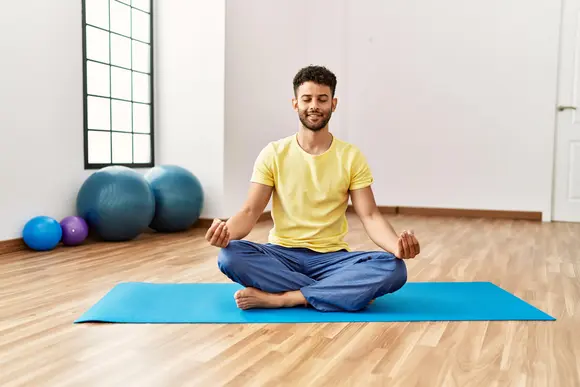
Yoga! Or Other Body Movement.
This is one of my favorites because it combines both movement and mindfulness. In order to hit some of these stretches and poses, you MUST remain present, or it's possible you lose balance or hurt yourself. I love dually fruitful benefits for our well-being. As you move, you have to be mindful and present in what you are doing. It's hard to focus on the laundry piling up… Or how the dishes aren't done… when trying to hit some of these poses. I also recommend going to a class ‘in person’ rather than sitting at home and doing virtual, as it's a great group experience, but also way less distracting than sitting at home. The space you give your mind whilst fully present in the body is AMAZING!
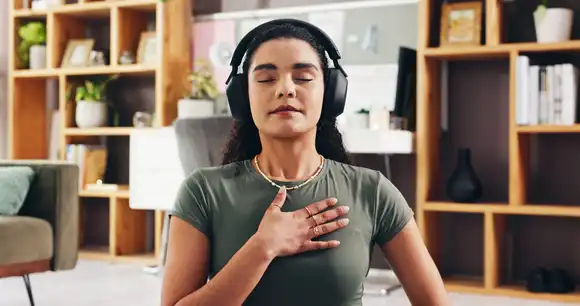
Meditation
This can be combined with any spiritual practice as well. But it often helps if you are placing your hands on something already grounded, such as a tree, the soil, sand, or something that brings peace or joy to you. Place your feet or hands in this spot. Now, only focus on where your feet or hands are placed. Next, practice grounding, affirmations, or, if spiritual, a prayer. Keep your eyes closed and go deeper within. Anytime new thoughts from the outside arise, bring yourself back to the moment.
Coloring!
That's right, I said it. There are so many adult coloring books out there for this very reason. There is something called mandalas that are essentially just circles that look like mazes or different patterns that you can color into the specific spaces and allow yourself to stay focused on the colors on the page and just breathe into it.
The Focus Exercise
This can be done with any object, but I prefer the candle in the dark room method. Pick a closet in your house, a bathroom, or essentially any room that gives no light. Push a towel under the door if there is a crack under the door that bears light. Light a candle! (A real one!) Now the hard part, focus on the flickering flame- try this for 30 sec, 1 min, 5 min. Again, anytime your thoughts wander, bring yourself back to the flame. Focus on the flame almost as if you are trying to see into the fire. Notice the colors of the structure, and focus on the light until you notice nothing else.
Clouds In The Sky
Observe the thoughts that come into your mind. Don't judge these thoughts or label them. Instead, visualize the thoughts as if they were clouds in the sky, and you’re lying on your back and watching them come and go. Acknowledge why these thoughts came in and then bring yourself back to the present moment. Disregard any other feelings or thoughts that come up, like guilt, shame, or sadness.
Imagery Exercises
Picture your happiest place or turn on a calming YouTube video. Allow these images and noises to create a picture that you can see. Really flesh out the details. What would this place smell like? What sounds are happening around you? Is there wind in your hair? Sand in between your toes? Then put yourself into the picture or image. Linger there, stay for a while, your mind will thank you for it!
When Mindfulness For Anxiety Isn’t Enough
These are my favorite exercises to utilize when feeling anxious. Of course, this is just a guide. It's always important to get plugged into therapy and, if needed, medication for more serious and prolonged anxiety.
Anxiety can be treated. A therapist can help you focus on your goals and decrease anxious thoughts and worry. Below, I have listed some great books for reference if you’d like to further your mindfulness practice for anxiety.
Mindfulness for Beginners: Reclaiming the Present Moment and Your Life
100 Mindfulness Meditations: The Ultimate Collection of Inspiring Daily Practices
The Art of Letting Go: Stop Overthinking, Stop Negative Spirals, and Find Emotional Freedom (The Path to Calm)
by Nick Trenton (Author) Format: Paperback
.webp)
.webp)