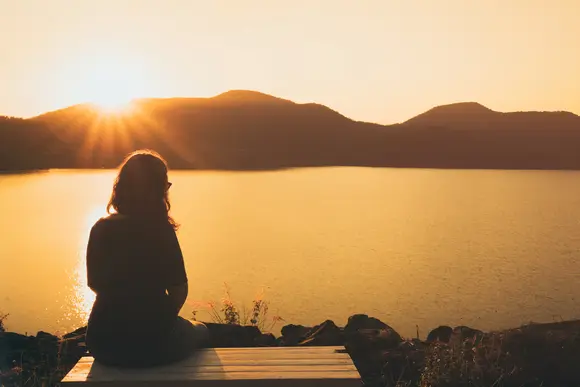
Loneliness can have detrimental effects on our mental and physical health. Scientists have confirmed that loneliness is a modern behavioral epidemic.
But not all alone time is the same. A recent study demonstrated the usefulness of “positive solitude”. The researchers defined positive solitude as a state of being alone that contributes to feelings of:
- Peace
- Contentment
- Relaxation
Positive solitude can contribute to many great mental health benefits, such as giving your brain a chance to:
- Relax and reflect
- Deal with pressures
- Enhance emotional regulation techniques
- Organize thoughts and plan for the day
- Let creativity loose
- Allow thoughts to wander
However, they make an important distinction: Positive solitude has to be chosen.
Loneliness and social isolation will not yield the same results as positive solitude. When you are socially isolated and withdrawn, you’re not choosing to be alone.
Learning how to be okay with being alone and reaping the benefits of alone time means learning how to balance social interactions with solitude. This article will give you tips on how to manage that and ultimately be happy alone.
Nurture Your Relationships
It might sound counterintuitive to lean into your relationships when you’re trying to be happy alone. But the key to practicing positive solitude is to also have positive social interactions.
This means nurturing the relationships that mean a lot to you, fill you up, and make you happy. Pouring into a toxic relationship or pretending to be someone you’re not just to fit in won’t give you the peace you’re looking for. Nurturing positive, healthy relationships will.
Make a list of the people you want to keep close to. Arrange a time to hang out with each of them one-on-one over the course of the next few weeks. Ask about their days, what’s been going on in their lives, and how you can help them with anything. Building a community takes active effort.
Put Down the Phone
Research has shown that scrolling social media can enhance feelings of loneliness, especially when you’re alone. Although there is a place for online communities in your mental health regime (especially communities that you are an active part in and know the people you are talking with-Online friends are still friends!) It’s important to have alone time that doesn’t involve the phone.
Avoid Comparing Yourself to Others
Comparing yourself to others is a quick way to feel lonely. Remember that the pictures and videos you see online are a performance. Even the most candid pictures were still chosen to be posted, and in doing so were selected to portray a certain message. You don’t know what these people’s lives are like behind the camera, and trying to guess at it will only bring more loneliness.
When you catch yourself comparing yourself to others, take a step back, put down the phone, and do something else.
Let Yourself Be Bored
When you get that itchy sensation of being bored, what do you do? Many of us reach for our phones. Instead, resist the desire to fill the blankness. Let it sit.
What thoughts or ideas come to you? Beyond your initial impulse, what do you want to do?
Boredom is often the key to creativity, and creativity can have a great impact on our mental health.
Take Yourself on a Date
There is a misconception that we have to do fun things with other people, but you can do fun things whenever you want.
Go to a movie, restaurant, museum, paint class, exercise class, or whatever else you want by yourself. Treat yourself the way you would want to be treated by a romantic partner.
This is not only good for your confidence and mental health, but you might also meet some cool people while you’re putting yourself out there.
Exercise
Exercise is a staple of good mental health. It’s a way to process difficult emotions, reduce stress, and make yourself a little happier.
Exercise releases endorphins, which are natural mood lifters. So if you struggle with being happy alone, taking some time to exercise will give you a natural happy boost.
Touch Grass (Literally)
Being outside has healing properties for the mind. Green spaces are known to reduce the severity of symptoms of anxiety, depression, and ADHD. If you struggle to be happy when you’re alone, it might be because you’re spending too much time inside.
Open a window, sit outside, or go for a walk. At the very least, open the blinds to let the sun in.
Let Yourself Be Weird
When we’re in public, there are social norms we have to adhere to. But when you’re alone, you can throw social etiquette to the wind.
Lounge on the floor, sing without skill, talk out loud, make weird art, and listen to that small indie band no one knows about.
There is no one around to judge you, so let your wild side run.
Perform an Act of Kindness
Being alone is about being in balance with yourself and your community. It is a great time to feed that community with an act of kindness. Drop flowers off at a friend’s place, volunteer, or pick up trash at your local park.
Give to the space around you, and it will return the favor.
Be Mindful of the Small Things
A lot of us want those epiphany moments or monk-like feelings of peace when we’re alone. That might not happen. Instead, be aware and grateful of the small things. The crunch of the leaves in autumn, or the warmth of a hot drink in the winter. The sound of your favorite song coming on or the luxury of a slow shower.
What small things bring you joy? How can you incorporate them into your alone time?
Get Creative
Creativity is a great way to be alone but not sad. You don’t even have to create anything good. Practicing creativity is a proven way to improve mental health.
Practice a Hobby
A lot of us go to work, come home, do our chores, relax, and go to bed. If we’re lucky, we might have time on the weekend to do something fun.
Making space for hobbies is hugely important for our mental health. Our brains need space to play, and alone time can be the perfect place for that.
Choose something you’ve been wanting to get into. You don’t have to be good at it. You don’t have to make money doing it. It can have zero practical application in your life. The only goal is to learn something new and have fun.
Did you know that learning new things might be key to aging gracefully? It’s called neuroplasticity, which is our brain’s ability to learn new things. It decreases as we get older, but studies have shown that people who continuously learn new things hold on to neuroplasticity for longer.
Struggling with Loneliness? Talk to a Therapist
We realize that these tips might not help if you struggle with chronic loneliness or social isolation. In these cases, talking to a therapist can help.
Loneliness is a big deal. Research shows that chronic loneliness can lead to premature death at rates similar to smoking. It is also often caused or exacerbated by mental health issues like depression, anxiety, PTSD, grief, and more.
A licensed therapist can help you get to the root cause of your loneliness and provide skills to connect with others again.
It is possible to be alone and happy. It can even be good for you.
.webp)
.webp)
.webp)
.webp)