Identifying Panic Attack Symptoms
Does this sound familiar? Your heart is racing, and you feel shaky and out of control. You’re not sure what’s wrong, exactly, but you feel as if something very, very bad is about to happen. Maybe your breathing becomes fast, and you start to feel lightheaded. Everything in you is screaming that something is not right and that you are in danger.
Sounds like you might be having a panic attack. Panic attacks are sudden, intense bouts of fear and anxiety. They usually have strong physical symptoms as well. If you struggle with panic attacks, an anxiety therapist in Charlottesville can help.
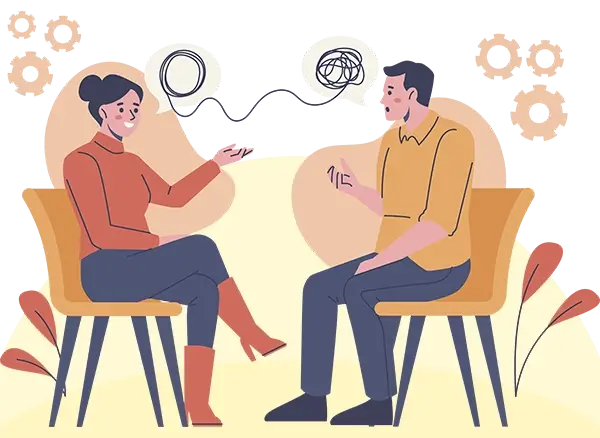

Signs You’re Having a Panic Attack
Being able to identify when you’re having a panic attack can help you stop them from worsening and manage triggers so they happen less frequently in the future.
- Intense fear or sense of impending doom
- Rapid heartbeat or heart palpitations
- Shortness of breath
- Chest pain or tightness
- Dizziness, lightheadedness
- Sweating or chills
- Trembling or shaking
- Nausea or stomach discomfort
- Tingling or numbness
- Derealization or depersonalization
- Fear of losing control, “going crazy,” or dying








Cognitive Behavioral Therapy helps treat panic attacks by identifying and changing the negative thought patterns that trigger and intensify them. It teaches you to recognize catastrophic thinking (like assuming you’re in danger) and replace it with more realistic, balanced thoughts. CBT also includes practical coping skills—such as breathing techniques and gradual exposure to triggers—to reduce the frequency and intensity of panic attacks over time.
Find a Charlottesville Anxiety Therapist
Dialectical Behavioral Therapy focuses on building emotional regulation and distress tolerance skills, which are especially helpful during a panic attack. DBT teaches mindfulness techniques to help you stay present instead of getting overwhelmed by fear, as well as grounding strategies to calm your body. By improving your ability to tolerate intense emotions without reacting impulsively, DBT can reduce the fear of panic attacks and make them feel more manageable.
Find a Charlottesville Anxiety Therapist
Exposure Therapy works by gradually and safely exposing you to the sensations or situations that trigger panic attacks, helping your brain learn that they are not actually dangerous. Over time, repeated exposure reduces fear and avoidance behaviors, which are key drivers of panic disorder. This approach helps desensitize you to panic symptoms so they feel less threatening, ultimately decreasing how often panic attacks occur.
Find a Charlottesville Anxiety Therapist
How It Works
We've created a safe space for you to explore your mental health and find what works for you.

Find A Counselor
Check Your Insurance

Book Your Online/In-person Therapy Session
Insurances We Accept