A Bigger Life Is Possible
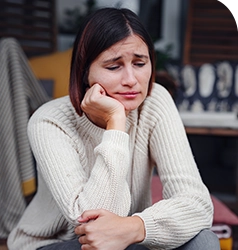
The world can feel like an extremely dangerous place sometimes. While caution and common sense are always good ideas, for people predisposed to anxiety, what looks like caution can quickly become limiting. If you struggle with leaving your house, you’re not alone. Self-isolating, whether due to health reasons, mental illness, general fear, or something else entirely, is common. It is also treatable.
A Toms River anxiety therapist will be able to get to the bottom of why you’re afraid to leave your home and provide you with the guidance and tools necessary to overcome your fear, bit by bit.
The world is a much bigger place than your home, and you deserve to experience all that it has to offer.
Agoraphobia
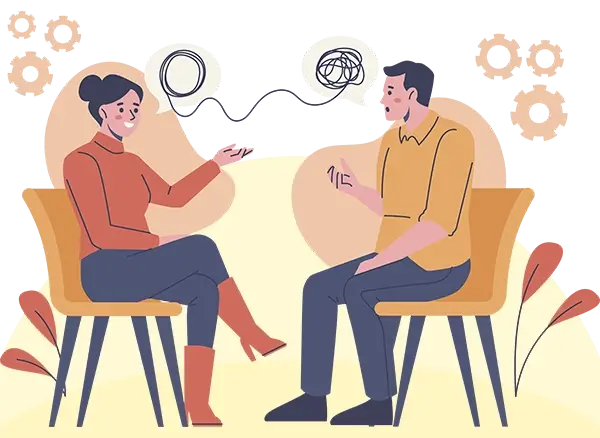
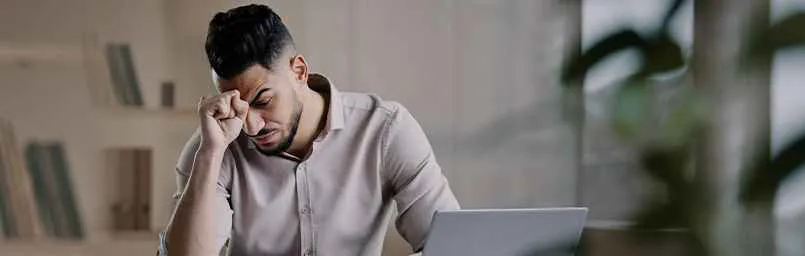
Agoraphobia is the intense fear of places or situations that might cause panic without having an easy way to escape. It is most often experienced as a fear of leaving your “safe zone”. For most people, this safe zone is their house.
Phobias are very intense, specific anxiety disorders. They have a high recovery rate, especially when Exposure Therapy is used.

Obsessive-Compulsive Disorder
Certain types of OCD might result in a fear of leaving the house. For example, if you are afraid of contamination, you might stay inside your home where you can be sure that everything is clean.
OCD is best treated through small, measured steps. Exposure and Response Prevention Therapy is the first line of treatment. Medication can also be useful.
Find a Toms River Anxiety Therapist

General Anxiety Disorder
Anxiety can affect anyone, but how it shows up depends on you. For some people, anxiety might make it difficult to leave their home. They might feel out of control when they leave because they can’t predict what will happen. They might have an impending sense of doom that something awful will happen. They might be deeply afraid that harm will come to them or their loved ones. Sometimes it’s more specific, like a fear of driving that keeps them bound to their home.
However your specific anxiety shows up, it is treatable. A mix of Cognitive Behavioral Therapy, Mindfulness-Based Therapy, and Exposure Therapy is how most anxiety therapists will start.
Find a Toms River Anxiety Therapist

Post-Traumatic Stress Disorder
Common symptoms of PTSD include hypervigilance, fear, and anxiety. Sometimes paranoia will also be present. It’s very common for trauma survivors to try to avoid the place of their trauma. In the case of PTSD, this can extend to feeling unsafe in the world at large and choosing to isolate at home instead.
Although it feels safer, isolation can worsen PTSD symptoms. Trauma treatment is important for a full and healthy recovery.
Find a Toms River Anxiety Therapist
Don’t Let Fear of Leaving Your Home Hold You Back
Expand your world with the help of a Toms River Anxiety Therapist.


Marcia Ryan
LPC
Taking the step toward therapy can be challenging, but as Carl Jung beautifully stated: “I am not what happened to me, I am what I choose to become.” My passion for helping others began in...

Chelsea Chang
LCSW
I have been a Licensed Clinical Social Worker since 2019 and have experience supporting young adults and adults with concerns such as addictions, substance use disorders, depression, anxiety, life tra...
.jpg)
Sherie Reed
PMHNP-BC
I am a Board-Certified Psychiatric-Mental Health Nurse Practitioner (PMHNP-BC) with over 10 years of nursing experience and a passion for helping individuals improve their mental health and overall qu...
Steven Taragano
Resident in Counseling
As a Licensed Associate Counselor with six years of experience in the mental health field, I am passionate about helping individuals navigate life’s challenges and develop the tools they need to...

Purvesh Shelat
LPC
I am a Licensed Professional Counselor (LPC) with over 10 years of experience supporting individuals through a variety of mental health concerns and life challenges. I believe that seeking therapy is ...
Hellen Da Silva
LPC
With over 10 years of experience, I’m passionate about supporting you on your journey toward mental wellness and personal growth. I have a deep passion for life, nature, creativity, and helping ...

Signs of Agoraphobia
Agoraphobia often manifests as fear of leaving the house. You might have this specific type of phobia if you experience:
- Fear of being unable to escape
- Anxiety about being in crowded or public spaces
- Fear of leaving home alone
- Avoidance of unfamiliar or open spaces
- Panic attacks when in feared situations
- Feeling trapped or helpless in public settings
- Needing a trusted person to go with you
- Dizziness,
- Rapid heartbeat
- Sweating
- Nausea
How It Works
We've created a safe space for you to explore your mental health and find what works for you.

Find A Counselor
Check Your Insurance

Book Your Online/In-person Therapy Session
Insurances we Accept










Frequently Asked Questions
Scheduling is easy! Simply choose a therapist from our extensive therapist directory. Fill out the quick form, and we’ll get in touch to confirm your appointment.
If you don’t feel like choosing a therapist, give us a call, and we’ll match you with an Ocean County therapist that fits your needs.
Lifebulb Counseling & Therapy adheres to all HIPAA policies. This means your personal information will be protected throughout every step of the process: from requesting a session, to your first appointment, all the way to when you decide to stop therapy.
Lifebulb was built on the core belief that good therapists provide good therapy, and that in order for a therapist to be good, they need to feel supported. We prioritize our therapists’ wellness so that they can give you their full attention. No burnout, no counting the minutes till the end of the session, no racing to meet quotas, no wasting time wrestling with insurance panels.
The result? More time, more energy, and more joy they get to put towards what they do best: helping you!
Online anxiety therapy sessions use HIPAA-compliant video software that is 100% secure. We never record sessions and will never ask you to jump on a video call that is not HIPAA compliant. Our therapists also always take video sessions from a private and secure place. There’s no risk of anyone overhearing you.
Yes! Lifebulb prides itself on being HIPAA compliant and making client privacy a top priority. Have questions or concerns about our privacy policy? You can email us at privacy@lifebulb.com