Request a Session
What is Adjustment Disorder?
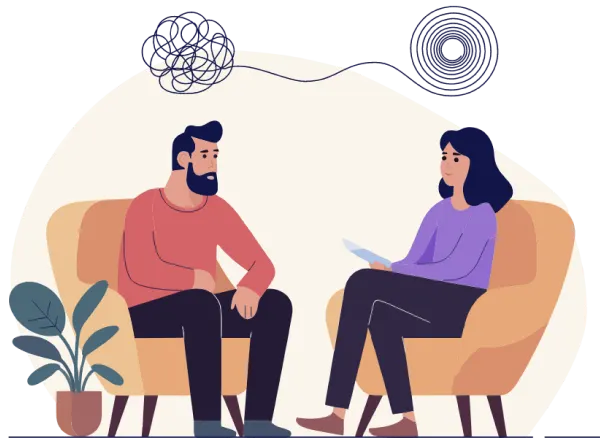
Adjustment Disorder is a common mental health condition that can occur after experiencing stressful or challenging life events. It is characterized by an inability to cope with these transitions, leading to emotional distress. At Lifebulb, we offer specialized Adjustment Disorder therapy in Savannah to help individuals navigate these difficult periods. Our therapists provide evidence-based techniques to address the challenges associated with Adjustment Disorder and support individuals in their journey toward healing and recovery.
Types of Adjustment Disorder
Adjustment Disorder can manifest differently for each person, depending on their unique circumstances. However you are struggling, remember that seeking therapy for Adjustment Disorder is not a sign of weakness but a courageous step towards improving your mental well-being. Whenever you are ready, our Savannah therapists are here for you. Some common types of Adjustment Disorder include:

This subtype involves experiencing symptoms of depression, such as sadness, loss of interest, and feelings of hopelessness. It is essential to seek therapy for Adjustment Disorder with Depressed Mood to alleviate these distressing emotions and regain a sense of joy in life.
Individuals with this subtype of Adjustment Disorder often experience excessive worry, restlessness, and a persistent feeling of unease. Our Adjustment Disorder Therapy in Savannah can help individuals develop effective coping strategies and reduce anxiety symptoms.
This subtype encompasses symptoms of both depression and anxiety. Our Adjustment Disorder therapists in Savannah are skilled in addressing these complex emotions and providing comprehensive treatment to improve mental well-being.
This subtype involves behavioral issues, including acting out, aggression, and defiance. It is most frequently found in children and adolescents. Therapy for Adjustment Disorder in Savannah can support individuals in uncovering the deeper reason behind their anger and developing healthier coping mechanisms.
In some cases, individuals may not fit into a specific subtype but still experience significant distress due to life transitions. Our Adjustment Disorder Therapy in Savannah can help individuals better understand their emotions and develop strategies for managing these challenges.
What are the signs of Adjustment Disorder?
Adjustment Disorder is a treatable condition, and seeking therapy can help individuals regain control over their lives. Talk therapy, in particular, has been proven effective in treating Adjustment Disorder. Some common signs and symptoms may include:
- Emotional distress, such as sadness, tearfulness, or irritability
- Anxiety and worry
- Difficulty sleeping or excessive sleeping
- Changes in appetite or weight
- Difficulty concentrating
- Feeling overwhelmed or unable to cope with daily tasks
- Physical symptoms such as headaches or stomach aches
- Social withdrawal or isolation
What can Adjustment Disorder Help You With?
Our Adjustment Disorder therapy in Savannah aims to help individuals manage their symptoms, develop healthy coping mechanisms, and navigate life transitions with resilience. Some ways Adjustment Disorder Therapy can help you include:
- Managing symptoms effectively
- Stress management techniques
- Grounding techniques to stay present and focused
- Career change coaching to navigate professional transitions
- Time management techniques to improve productivity
- Building healthy habits for overall well-being
- Emotional support throughout the journey
- Developing healthy coping mechanisms for long-term resilience
What Are the Best Therapies for Adjustment Disorder?
Lifebulb’s Savannah-based therapy for Adjustment Disorder is tailored to the individual's needs and will be discussed further with a licensed Adjustment Disorder therapist. We offer a range of evidence-based therapies to help individuals overcome their challenges. These include:
Cognitive Behavioral Therapy (CBT)
CBT focuses on identifying negative thought patterns and behaviors and replacing them with more positive and adaptive ones. It has been proven effective in treating Adjustment Disorder.
Book a Session TodayDialectical Behavioral Therapy (DBT)
DBT combines elements of CBT with mindfulness techniques. It helps individuals regulate their emotions, improve interpersonal relationships, and develop healthy coping strategies.
Interpersonal Therapy
Interpersonal therapy focuses on exploring and improving interpersonal relationships, which can be particularly beneficial during times of significant life transitions.
Book a Session TodayMindfulness-Based Therapy
Mindfulness-based approaches help individuals cultivate awareness of the present moment and develop skills to manage stress, anxiety, and emotional responses.
Book a Session Today

Preparing for your first session
You might meet your first therapy session with a mix of excitement and nerves. Although all you need to bring to therapy is yourself and a willingness to grow, it can help to reflect on why you want to attend therapy, what your goals are, and what you hope to gain from therapy. Knowing this will help inform your therapist on how to best help you. During your first session, your Savannah therapist will get to know you, your goals, and relevant background information. We encourage you to ask any questions you have as well.
 855-722-4422

Healthy Coping Mechanisms for Adjustment Disorder
Developing healthy coping mechanisms is vital when dealing with Adjustment Disorder. Taking small steps in your recovery journey can make a significant difference. Some coping mechanisms that can help include:
- Keeping with a routine: Life transitions can bring a host of big changes. Find a routine that suits you wherever you are. It can help with grounding and stress management.
- Stay in touch with loved ones: When things get crazy, it can be easy to withdraw from social interactions. But that support system can hold you up during your trying times.
- Practice your hobbies: Life transitions can be draining and leave you without much energy. When you can, prioritize doing the things that brought you joy before the transition.
- Prioritize physical well-being: Don’t forget to eat well, get plenty of sleep, and exercise lightly. It’ll help your mental health just as much as your physical health.
- Vent out your emotions: Whether it’s talking to a friend, journaling, or making art, do something to process your emotions.
Insurance We Accept









Many more...


What Our Clients Are Saying

I recommend Lifebulb Counseling & Therepy to anyone and everyone. This is a great place to get help and improve your life!
Ashley
I can't say enough good things about this place. I highly recommend Lifebulb to anyone looking for counseling. Finding someone to talk to that I could connect with and trust was very easy. My counselor is very knowledgeable and very helpful in finding ways to help me. It is so amazing to be able to have a safe space to talk with someone who is so caring and committed to help with any situation. This place has definitely helped change my life in such a positive way!
katie
LIFEBULB is such a great resource for anyone who needs help or is struggling with their health. With the rise of mental health problems, good, quality resources are so desperately needed! Thank you LIFEBULB for being a lifeline for others to reach out to when they need it!
Steven
Easy to use website to find exactly the counselor I’m looking for. Plenty of available appointments and they take most insurance! Therapy and counseling are so important, and finding quality care easily has been such a relief!
Rebekah
Lifebulb’s services are more tailored to the specific needs of their clients. Overall, lifebulb offers a more personalized, community-oriented and supportive environment for both clients and counselors. I highly recommend Lifebulb!
Tim
I highly recommend Lifebulb. This resource helps connect people to professional counselors which is so helpful especially in days like these. Its so incredibly important to have a good counselor to talk with. A good counselor will connect with you and talk you through lifes problems and situations as they arise. A good counselor will also help you process and understand things from a healthy perspective. Its so helpful to have a professional insight and not just biased personal opinions like what family and friends sometimes offer. Its so important to process our thoughts in a healthy way, talking things out and putting all the peices together so we can have a clear picture, a goal and more targeted communication which helps all our relationships. Wishing all reading this review you find someone you can connect with and learn from and grow into your best you.
Wendy
Easy to use website that includes lots of information even insurance and payment info. They offer a wide variety of services including life coaching, counseling and psychiatry. You can get all of your needs met in one place
Tonia


Frequently Asked Questions
Our Therapists | Insurance Coverage | Services Offered | Privacy
There are several options to book an appointment for counseling in Savannah. You can call our office and talk to a team member who will find a licensed therapist for you. We’ll look over your insurance information and go over a few simple policies before emailing you a confirmation of your session date and time. Or, you can review our list of expert therapists in Savannah to find one that you think would be best for you and then you can select a session time from our website. We will reach out shortly to confirm your appointment details.
Taking the step to reach out to a therapist takes courage, and it can be disheartening to take that leap and then spend weeks or months on a waitlist. We believe in connecting you with a therapist quickly, so we’ve made the process as easy as possible. If you know what you’re looking for, you can browse our Savannah therapists’ bios to find the right fit for you and schedule a session for therapy all through our website. Or, you can call our office and a team member will make sure you’re matched with the right therapist for you and your goals. Choosing the right therapist is important—they’ll be the ones to come up with an individualized treatment plan and help you reach your mental healthcare goals.
For all mental health emergencies, please call 911.
Lifebulb is not a crisis center and our therapists and counselors do not provide emergency services. However, we understand that urgent, nonemergency matters happen. All clients are given direct email and phone access to their Savannah therapist, who will do their best to respond as quickly as possible. If your treatment plan requires more frequent interactions, your therapist can provide you with outside resources.
We have a flexible cancellation policy. Call our office or reach out to your therapist at least 24 hours before your therapy session time to cancel or reschedule any appointment at no cost.
Maintaining your privacy is a serious matter. Lifebulb is considered a covered entity under HIPAA guidelines, which means we are subject to all HIPAA rules and regulations. If you have any questions (or recommendations) about our privacy and security practices, we want to help. Contact us at privacy@lifebulb.com.
No, Lifebulb never records online therapy sessions and always uses a secure line.
Yes! Lifebulb believes in affordable therapy. We accept most major commercial insurance plans and offer an affordable self-pay rate. For more information, call our team.